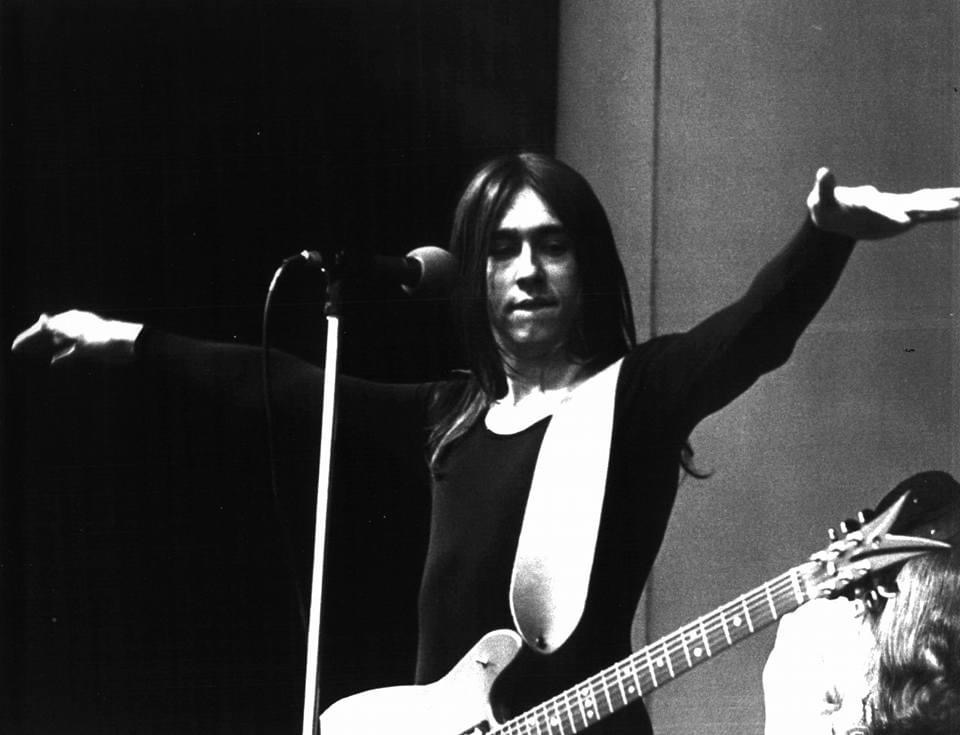
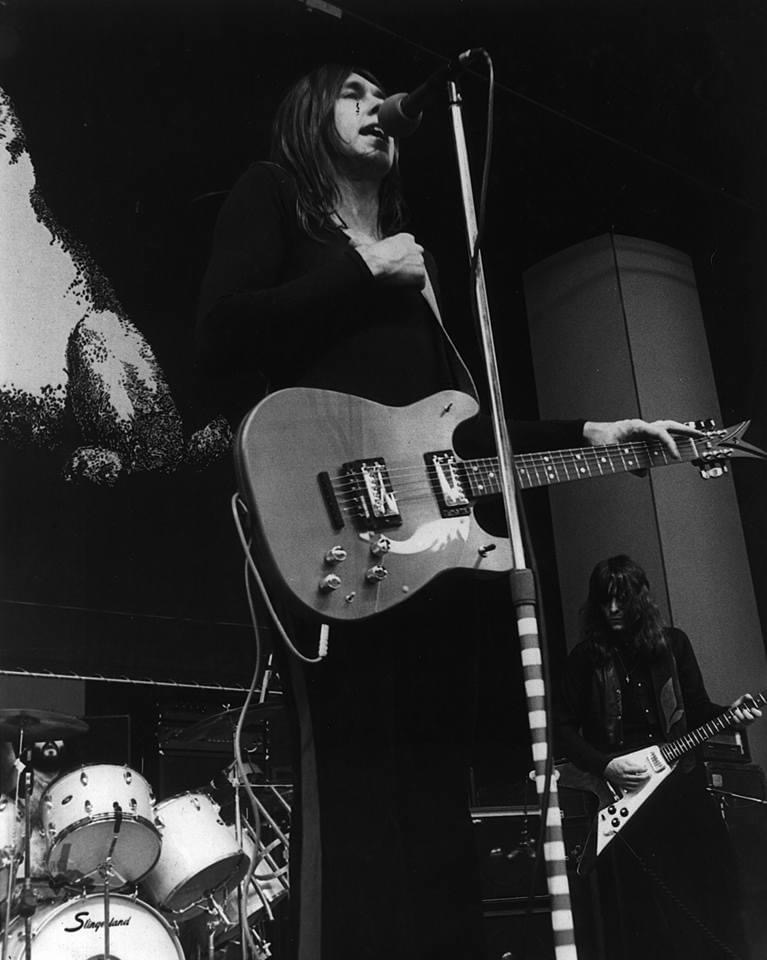
Pavlov’s Dog is an American progressive rock band formed in 1972 in St. Louis, Missouri. Their distinctive style is defined above all by the unusually high and distinctive voice of lead singer David Surkamp. Another key element of the band's sound is the seamless blend of classic rock instrumentation—electric guitar, bass, drums, keyboards, and vocals—with orchestral elements. Flutes, violins, additional strings, and the Mellotron provide melodic depth and give the music its signature, atmospheric character.
The Pavlov’s Dog Story (1972–1977)
Researched and documented by Roger Browning and Billy James (Ant-Bee), based on interviews with David Surkamp and bandmates.
1. The Band and Its Beginnings (1972–1974)
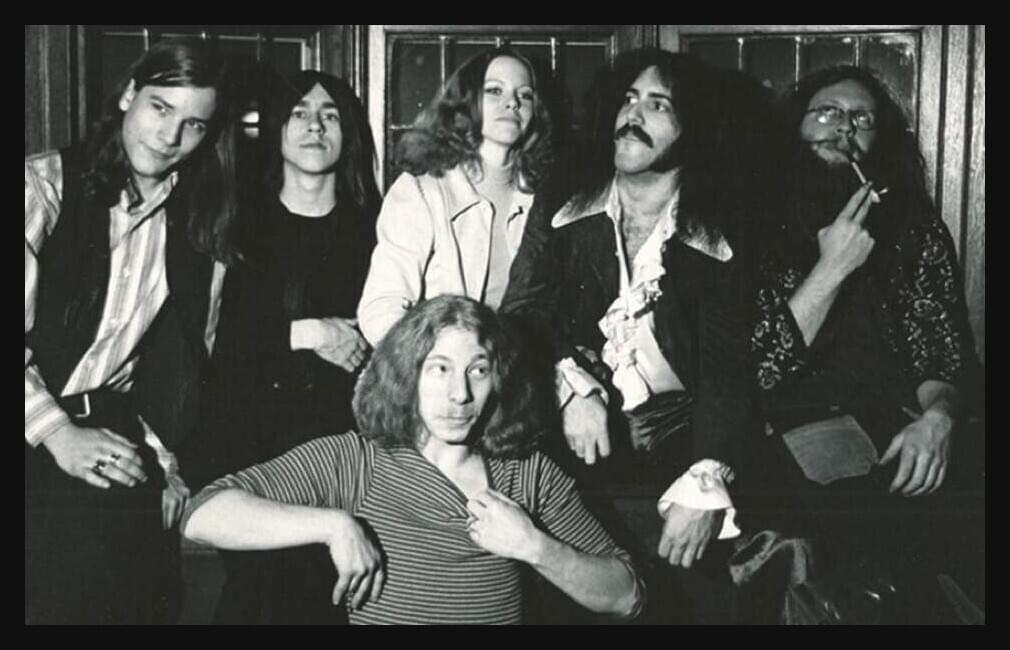
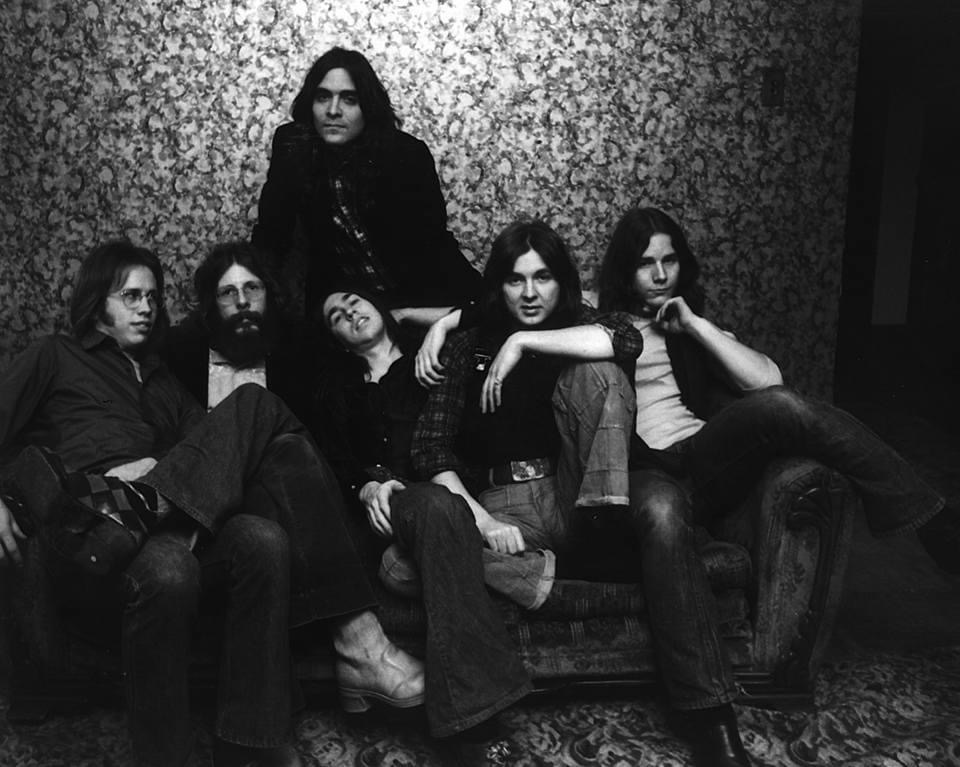
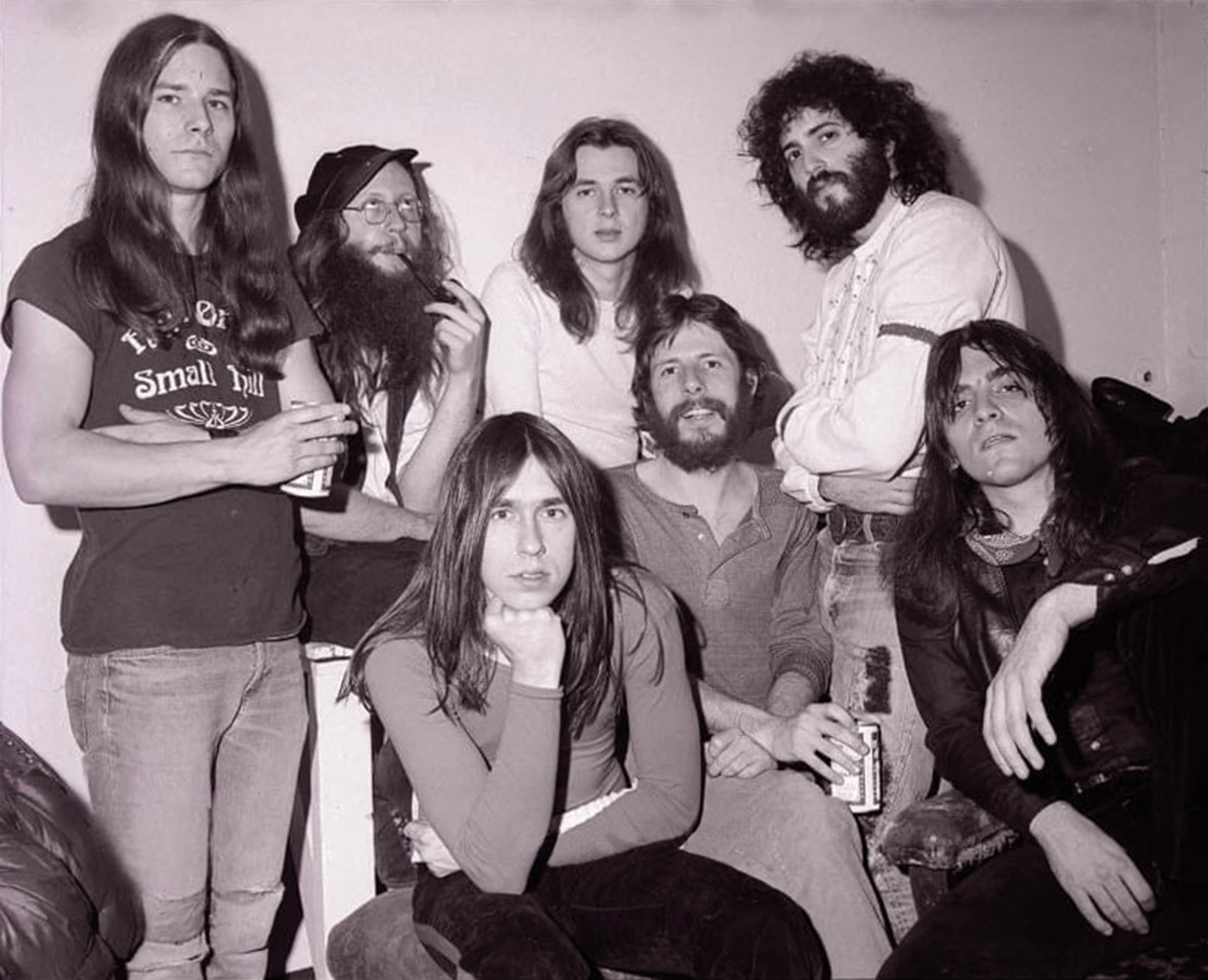
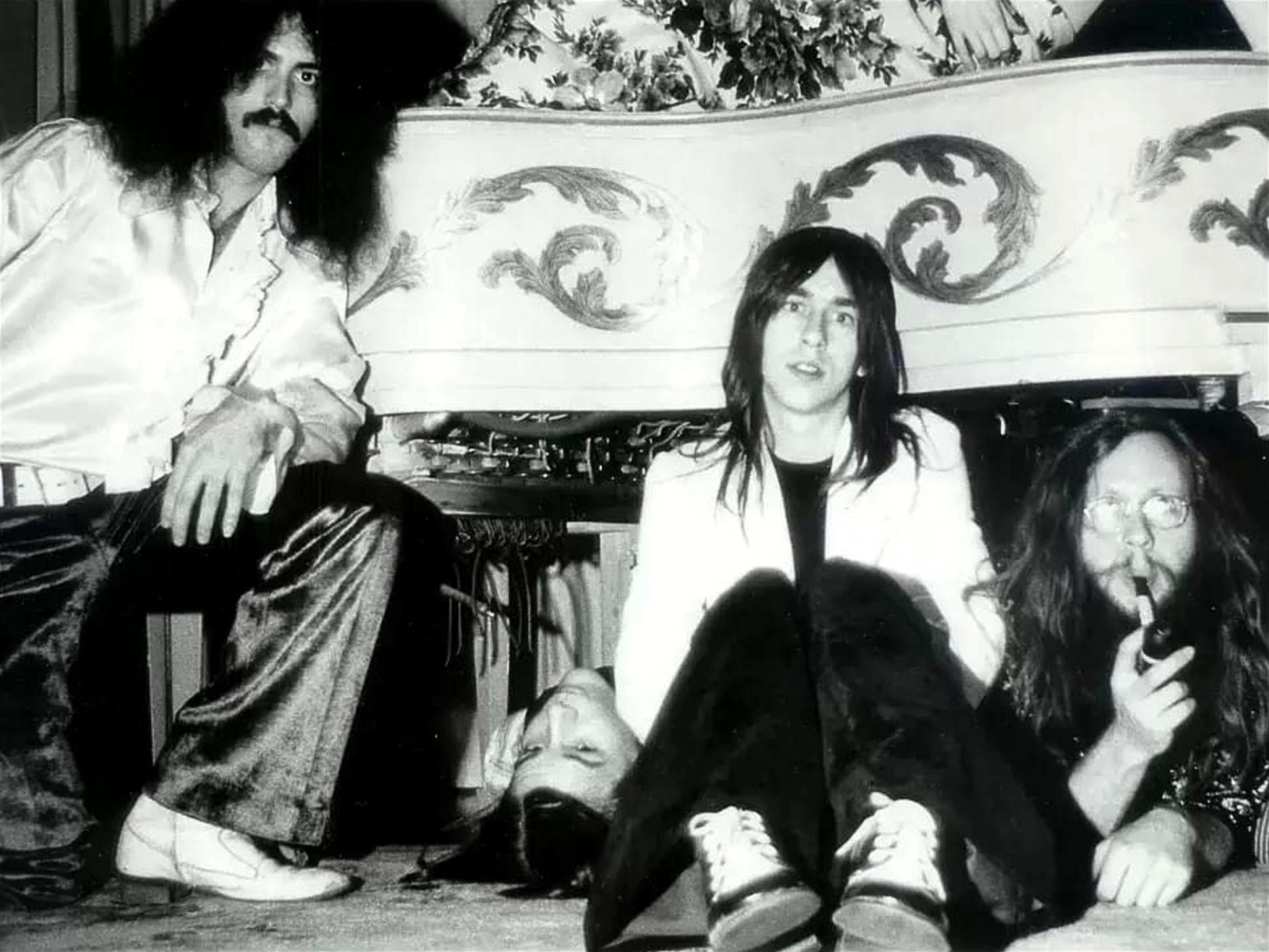
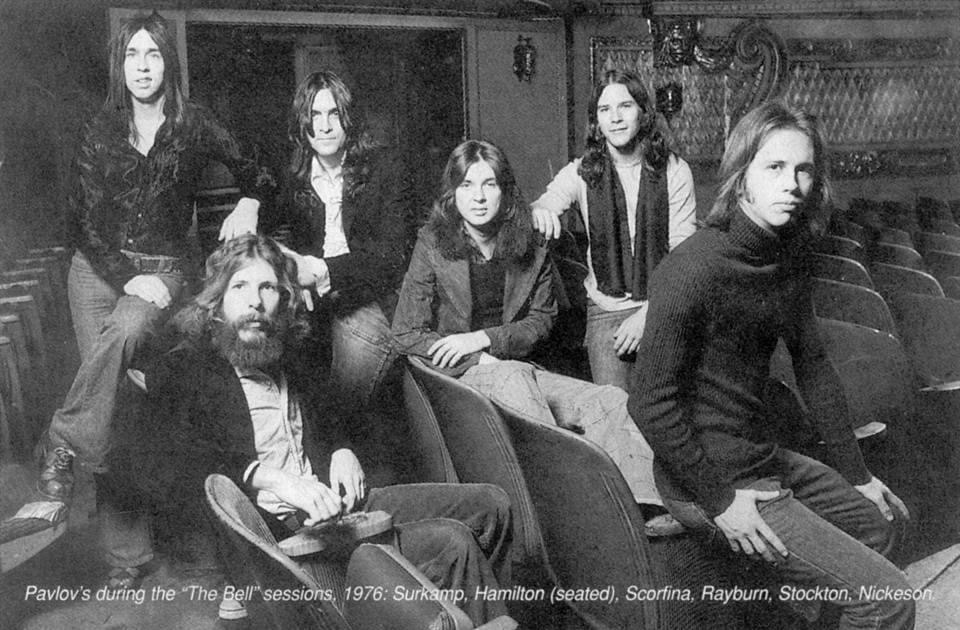
Pavlov’s Dog formed in the early 1970s in St. Louis, Missouri. From the initial lineup centered around David Surkamp (lead vocals, acoustic guitar), Rick Stockton (bass), and Mike Safron (drums), a septet with an unusual instrumentation quickly emerged:
David Hamilton – Keyboards, piano
Doug Rayburn – Mellotron, flute, percussion
Steve Scorfina – Lead guitar (formerly of REO Speedwagon)
Siegfried Carver (born Richard Nadler) – Violin, vitar
The band’s signature sound was built on the interplay of melodic progressive rock, sweeping Mellotron walls, dual lead guitar and violin lines, and above all David Surkamp’s extraordinarily high, vibrato-rich vocals.
2. The Record Deal and Debut "Pampered Menial" (1975)
A demo tape produced in 1973/74 sparked a fierce bidding war within the US music industry. ABC Dunhill Records signed the band for what was then a record advance of approximately $650,000. Sandy Pearlman and Murray Krugman (of Blue Öyster Cult fame) were brought in as producers; the album was recorded at CBS Studios and the Record Plant in New York.
Tracklist – Pampered Menial:
Julia – 2:58
Late November – 3:12
Song Dance – 4:59
Fast Gun – 3:04
Natchez Trace – 3:42
Theme from Subway Sue – 4:25
Episode – 4:04
Preludin – 1:39
Of Once and Future Kings – 5:27
Highlights & Anecdotes:
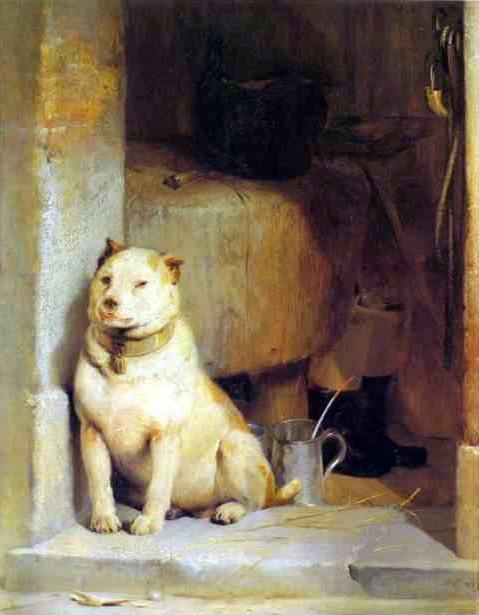
Artwork: The album cover is based on Sir Edwin Landseer’s 1829 painting Low Life.
The Helium Myth: A persistent urban legend spread across US radio stations claiming that Surkamp inhaled helium before vocal takes or that the master tapes were artificially sped up. Surkamp consistently debunked this; his distinctive vocal timbre was entirely natural.
Siegfried's "Vitar": Alongside the violin, Carver played a modified 3-string electric violin-guitar hybrid known as the Vitar with custom pickups, providing the searing tone on solos like "Song Dance".
The ABC/Columbia Dual Release: Shortly after its release, Columbia Records (CBS) bought the band out of their ABC contract for a substantial fee. Because ABC had already shipped thousands of LPs, the album was sold concurrently under two different labels in US stores for months, which hindered its chart momentum.
3. The Follow-Up Album "At the Sound of the Bell" (1976)
Prior to recording at the Record Plant in New York, Siegfried Carver parted ways with the group. Following internal tensions, drummer Mike Safron also departed. Producers Pearlman and Krugman subsequently pivoted toward an orchestral art-rock direction utilizing a number of prominent guest and session musicians.
Tracklist – At the Sound of the Bell:
She Came Shining – 4:24
Standing Here with You – 3:47
Mersey – 3:03
Valkerie – 5:22
Try to Hang On – 2:08
Gold Nuggets – 3:25
She Breaks Like a Morning Sky – 2:22
Early Morning On – 3:21
Did You See Him Cry – 5:36
Highlights & Anecdotes:
Bill Bruford: Lacking a permanent drummer, the band enlisted former Yes and King Crimson virtuoso Bill Bruford, who played drums throughout the album to navigate the intricate time signatures and dynamic arrangements.
Guest Musicians: Saxophonist Andy Mackay (Roxy Music), jazz saxophonist Michael Brecker, and guitarist Elliot Randall contributed to the studio arrangements.
Mellotron Orchestration: Doug Rayburn and David Hamilton utilized multiple Mellotron M400 units in parallel, giving the album a much more melancholic and string-heavy sound compared to the raw guitar-driven debut.
4. The Rejected Third Album and Disbandment (1977)
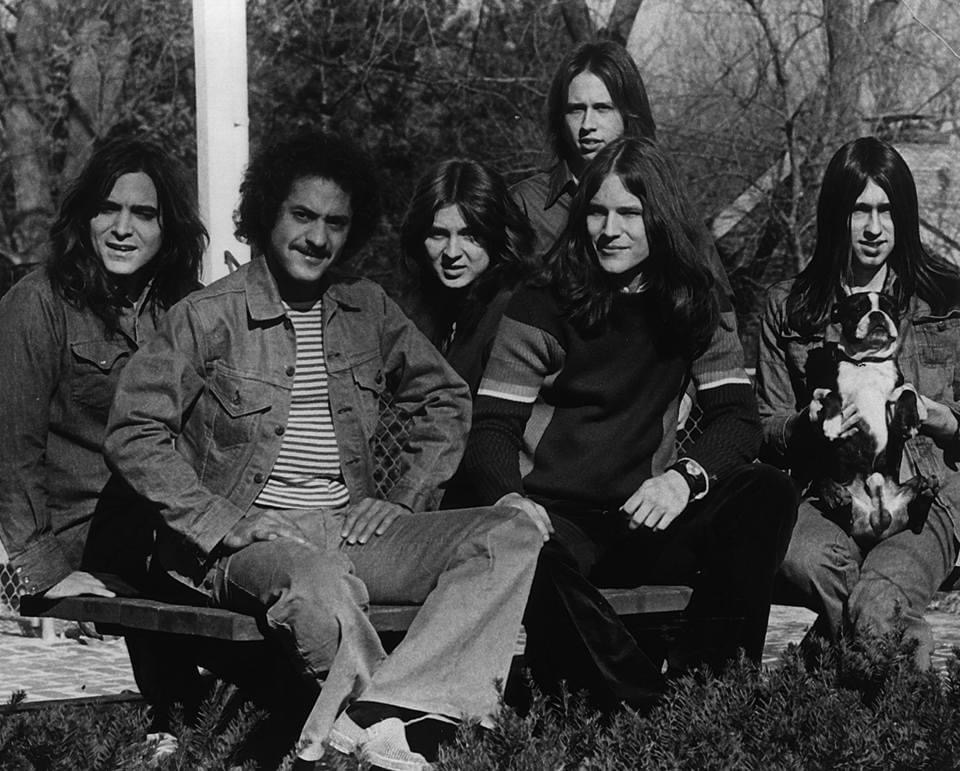
In 1977, the band entered the studio with keyboardist Tom Nickeson and drummer Kirk Sarkisian to record their third studio effort. However, Columbia Records rejected the completed tapes and terminated the contract. Worn down by internal friction and commercial pressure, Pavlov’s Dog disbanded in 1977.
The unreleased recordings circulated for over a decade as a famous bootleg (under titles like The St. Louis Hound or Third) before finally receiving an official release in 2007 as Has Anyone Here Seen Sigfried?.
5. Subsequent Projects and Reunion (1980–Present)
Hi-Fi (1980–1982): David Surkamp teamed up with former Fairport Convention singer Iain Matthews to form the power-pop group Hi-Fi.
Reunion (1990): Surkamp and Doug Rayburn revived the Pavlov’s Dog moniker for the studio album Lost in America.
Later Years: Despite the loss of founding members (including Siegfried Carver in 2009 and Doug Rayburn), Pavlov’s Dog maintained a devoted cult following—especially in continental Europe—returning to regular touring and releasing new studio albums including Echo & Boo (2010), Prodigal Dreamer (2018), and Wonderlust (2025).
Edwin Landseer – Low Life
The idiom "to lead a dog's life" originally comes from the English language and remains in common use today. It describes a life of hardship, toil, or misery. Nowadays, the expression is often used to refer to a particularly exhausting or work-heavy existence. In the early 19th century, however, this description applied literally to many dogs.
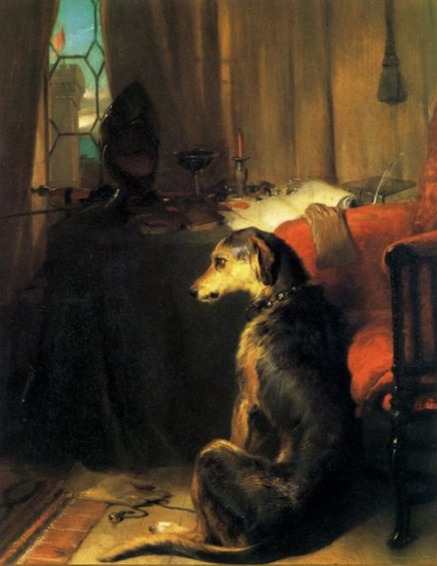
A striking example of this is the painting "Low Life," created in 1829 by Sir Edwin Henry Landseer (1802–1873). It serves as the companion piece to his work "High Life." Both paintings use two dogs to portray the contrasting worlds of society at that time.
The relatively small painting, measuring 45.7 × 35.2 cm, depicts the doorway of a stone building. On a weathered stone step sits a white-and-brown terrier whose body bears visible scars and injuries. It is a dog battle-scarred by life, faithfully guarding its owner's belongings.
Landseer was renowned for his lifelike and detailed painting style. Numerous objects throughout the artwork offer clues about the owner's social background, including a beer mug on the ground, a clay pipe, a whip hanging from a hook, and a key—all hinting at modest living conditions.
Additional details reveal the owner's trade: behind the terrier stands a heavily worn wooden butcher's block holding a knife and a black top hat, with a bottle visible in the background. To the right, heavily worn boots rest on the floor.
The terrier stands in for its owner, symbolizing the hard, work-filled life of the English working class. This creates a deliberate contrast to the noble deerhound in "High Life," which represents wealth, education, and the refined lifestyle of the upper class.
Low Life – Oil on panel, 1829, 45.7 × 35.2 cm, Tate, London.
High Life – Oil on panel, 1829, 45.7 × 34.9 cm, Tate, London.
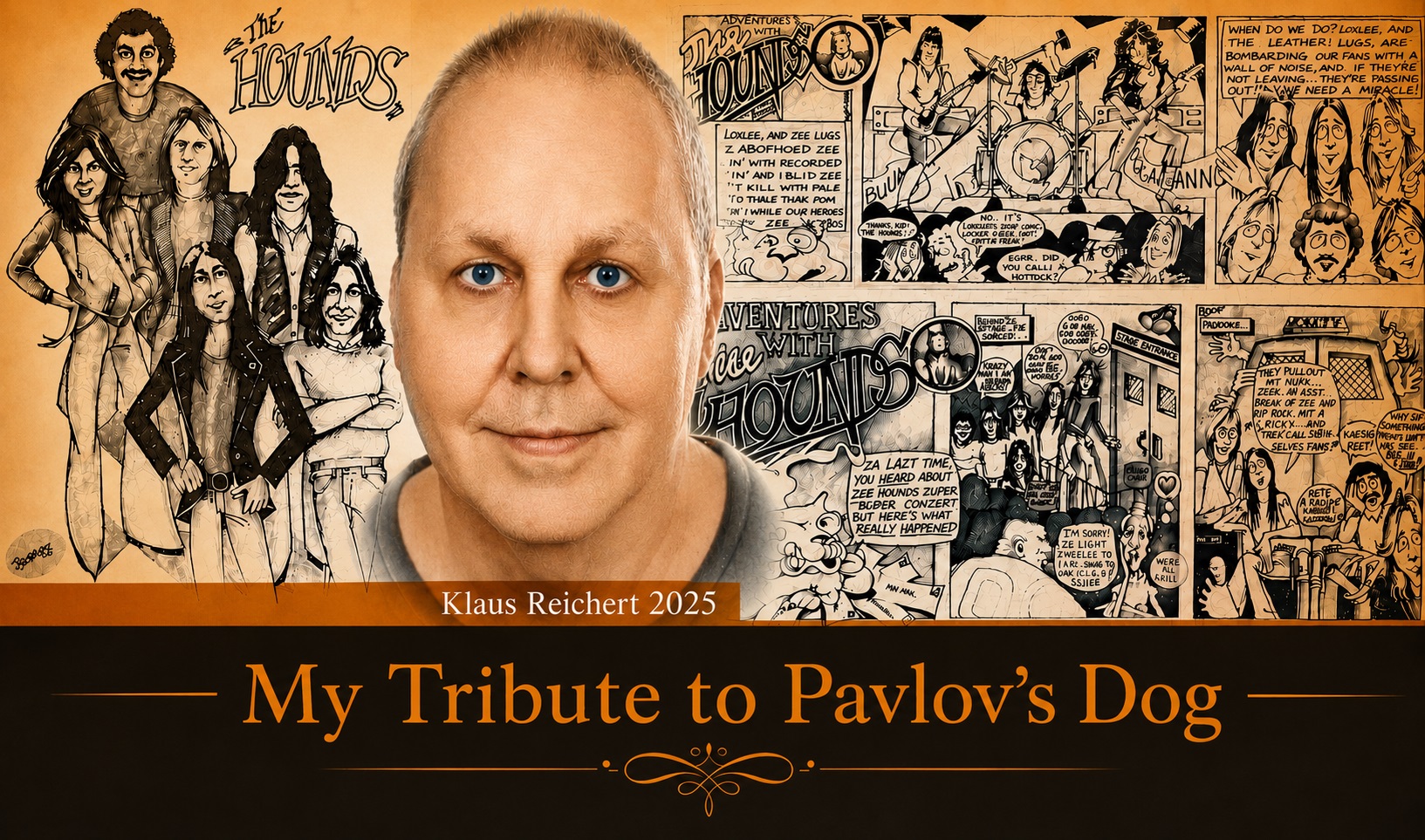
From 2001 to 2013, I ran the official Pavlov's Dog fan website, featuring a discography, jukebox, videos, web radio and much more. The site attracted around 50 visitors a day and helped renew interest in the band after a long period of inactivity. Pavlov's Dog subsequently returned to the stage and went on to release new albums.
Lead singer David Surkamp has an extraordinarily high and distinctive voice that can initially sound almost feminine. The music of Pavlov's Dog is deeply emotional and melancholic, with a unique quality that can stay with the listener for a very long time.
At some point, I had to give up the website because I was already retired and didn't have much money to spare. Keeping it online was costing me around €100 a month in server, streaming and GEMA fees.
GEMA is the German music rights organisation that collects licence fees for the public use of copyrighted music and distributes royalties to songwriters, composers and music publishers.
In the end, the costs simply became too much for me. It was a difficult decision, and with a heavy heart I had to close down and delete the website.
After all these years, however, I started creating a smaller Pavlov's Dog website again in 2025. This new site is simply a personal tribute to Pavlov's Dog and to the music that has meant so much to me for so many years.
Pavlov's Dog now has a little home on the web again.